/f7kn696nzdihclpst8r7agv9y7us)
The Mokupuni COMMUNITY DEVELOPMENT CORPORATION
Ahuwale ka poʻokela i kāu hana iā haʻi : It is through the way you serve others that your greatness will be felt
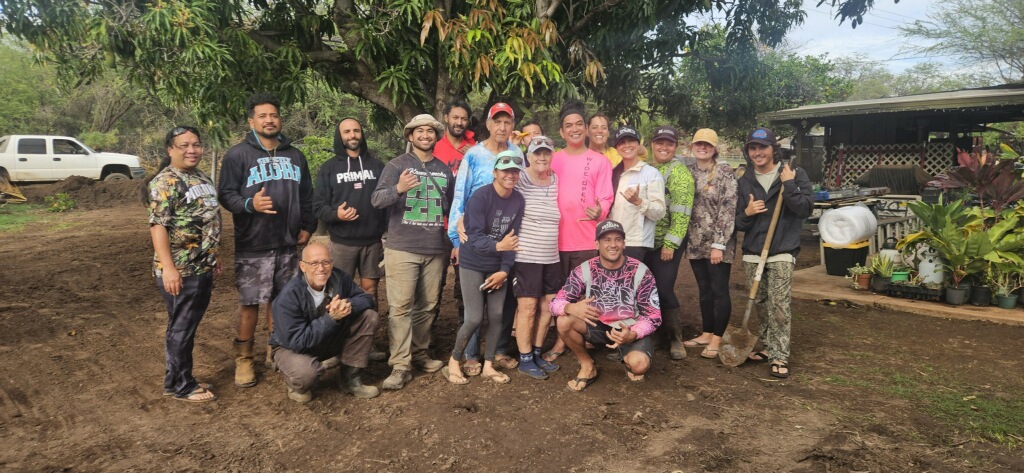
We are a 501(c) (3) non-profit organization dedicated to serving native Hawaiian beneficiaries of the Hawaiian Homes Commission Act of 1920 (HHCA). Mokupuni CDC is committed to uplifting beneficiary voices, strengthening pathways to land, and ensuring that recovery, development, and future planning are rooted in self-determination and stewardship of ʻāina.
/9v0aq229o7g3spaf67wcaf90yqm8)
Were you impacted by the Kona Low Storm? apply by June 14th for FEMA & SBA assistance
Hoʻolehua Homestead Association in collaboration with Mokupuni Community Development Corporation
Upcoming events
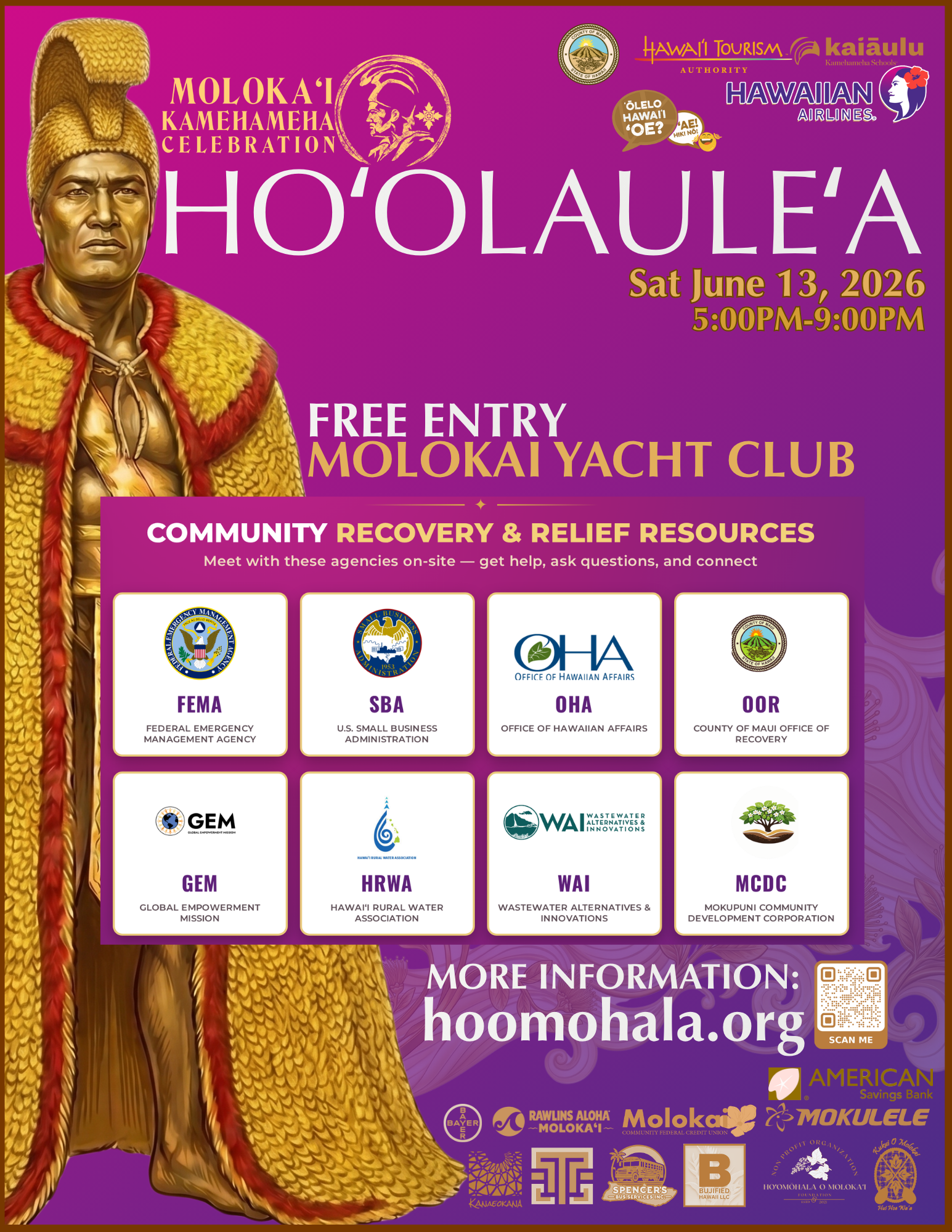
Molokaʻi Hoʻolauleʻa on June 13, 2026
About the 2026 Kona Storm Assessment Survey
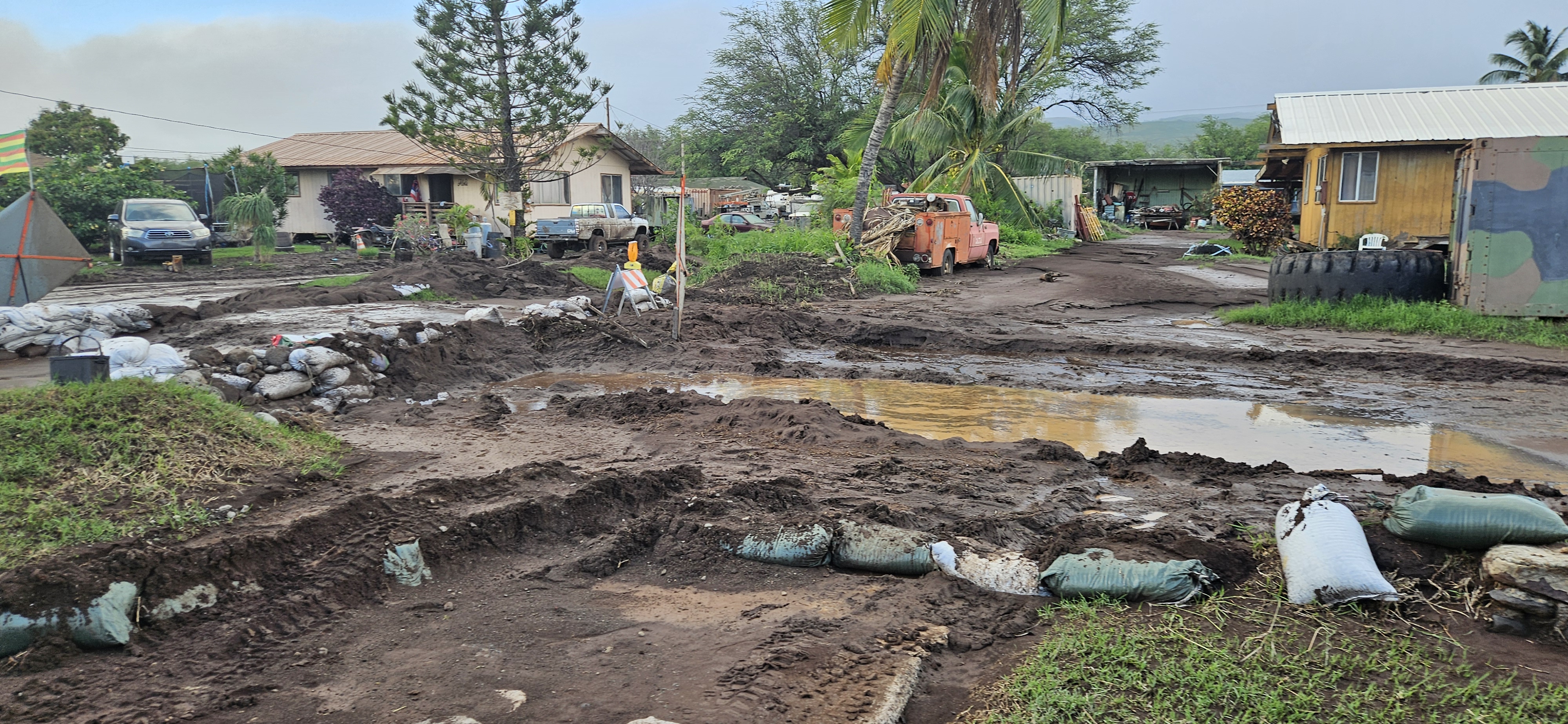
This survey builds upon the preliminary field assessments carried out in the immediate aftermath of the Kona Low storm events and is rooted in the Native Hawaiian practice of kilo—a method of intentional observation used to read environmental conditions, recognize patterns, and understand impacts across ʻāina and community.
MCDC has led multiple on-the-ground response efforts, serving as trusted community-based responders embedded within impacted homestead neighborhoods- identifying and responding to needs in real time.
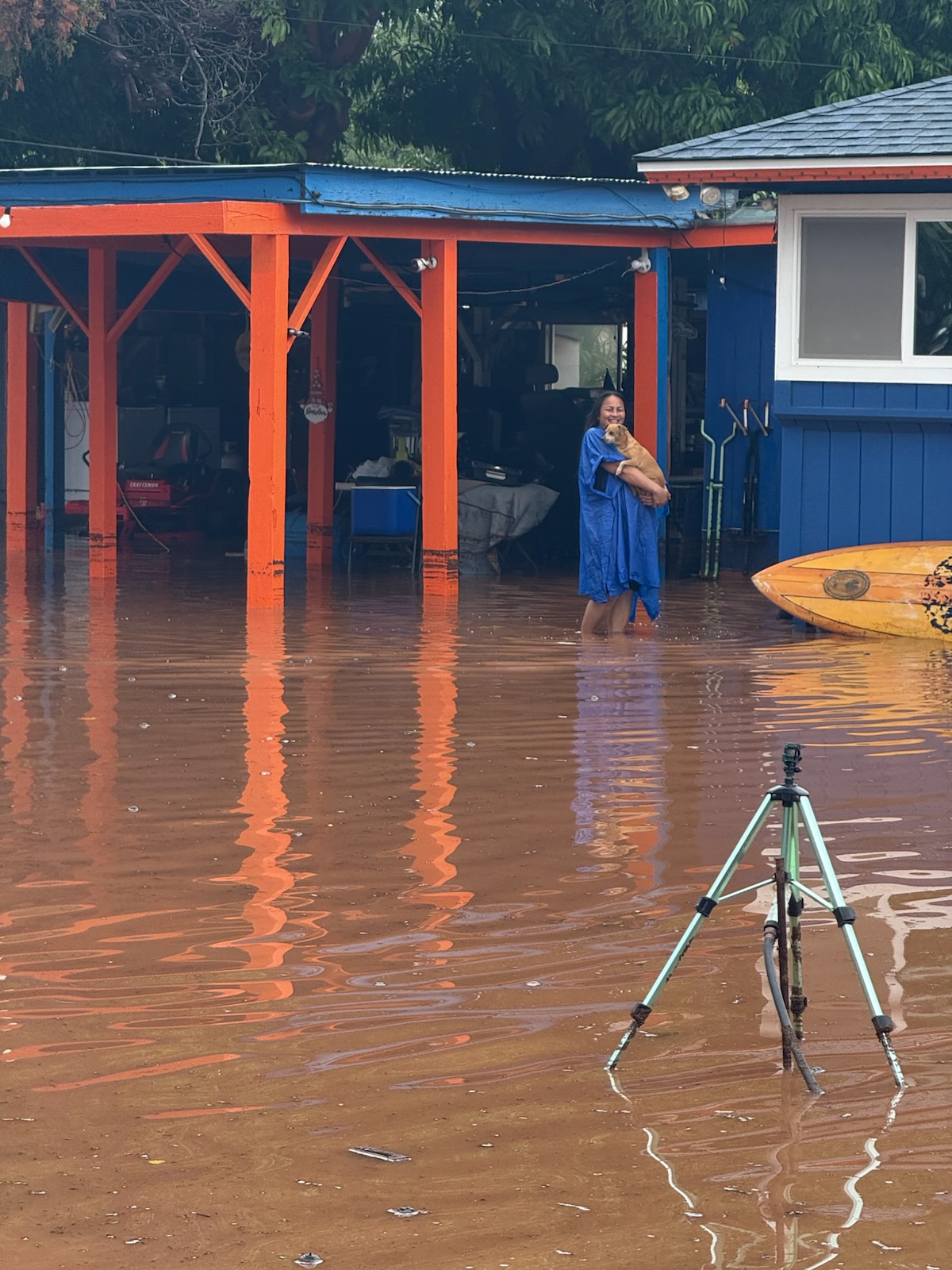
Drawing upon both lived experience and working knowledge of emergency management systems, MCDC developed a culturally-
informed assessment tool designed to align with disaster response frameworks while reflecting the realities of Hawaiian Home Land communities: the 2026 Kona Storm Assessment Survey. The survey draws both technical and native Hawaiian, ʻike based observation methods to asses the following:
Structural impacts to homes and infrastructure
Movement and accumulation of water across ʻāina
Soil saturation and drainage system failures
Wastewater system vulnerabilities, including cesspool integrity
Environmental conditions affecting health, safety, and habitability
Public health threats, including potential waterborne disease exposure
Hereʻs What We Found So Far:
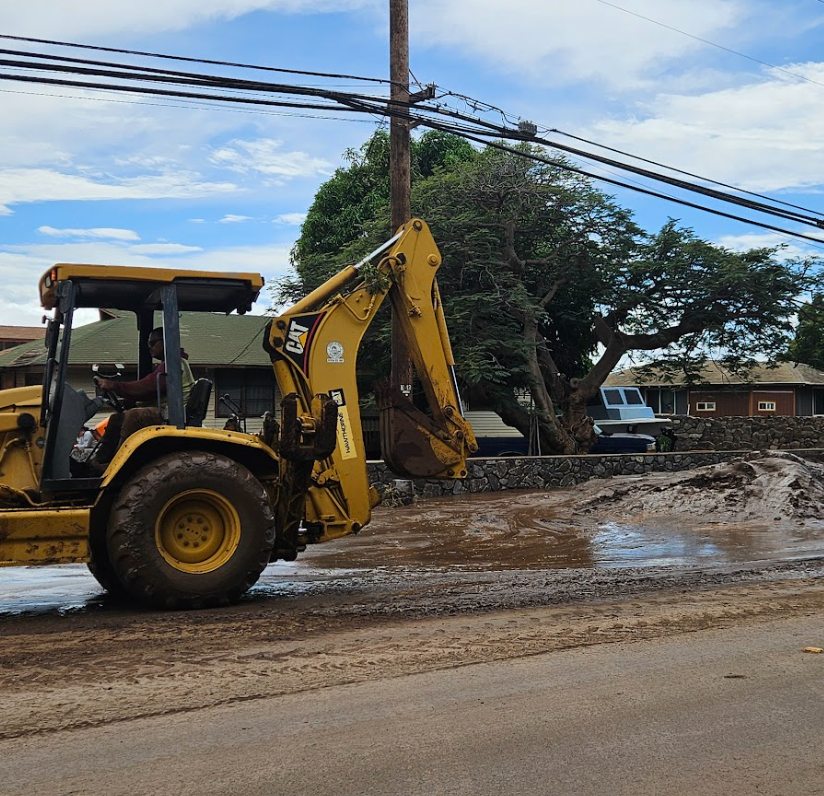
Over 110 homestead lots impacted across Hoʻolehua, Kalamaʻula, Kapaʻakea and Kamiloloa/One Aliʻi.
After heavy rain or flooding—like Kona Low events—moisture trapped inside homes and buildings that allow mold and mildew to grow within 24–48 hours.
Uninhabitable homes due to structural failure, roof damage, and flooding which displaced families
Documented cesspool failures and ground cave-ins, leading to elevated risk of water contamination
Significant disruption to agricultural production and subsistence
what was accomplished within two weeks
WITH COMMUNITY PARTNERSHIPS,
Activation of 7 Food Hubs across the island
Launched MEMA Damage Assessment Self-Report
Molokaʻi Cares activated to provide support and supplies to those affected families
Red Lightning conducted 24 assessments, removed trees, electrical fixes, emergency roof repairs, bathroom mold demo, floor repair, sandbags, delivery, clear out homes, provide accommodations for the displaced, train volunteers in mold remediation, expand Starlink access to affected communities without existing service.
Debris removal, clean-up, and staging of roll-off bins
DLNR-Division of Aquatic Resources performed water quality testing
Resources
Resources
Check out these helpful resources.
/xfabrev5wgdbzpjeox7hzanlw8ds)
/yhia3temsw2toh7rxe1a7zkg5dlc)
/dgognnhw3503s0bihq3wqp071c4q)
/haubys09csygxlst84fmhnyoj42w)